
Real-time GPS tracking isn’t “nice to have” anymore — it’s one of the quickest ways New Zealand businesses reduce costs, improve customer service, and protect vehicles. Whether you run one van or a fleet of 50, knowing exactly where vehicles are (and what happened on a trip) turns guesswork into clear decisions.
In this guide, I’ll show you what “real-time tracking” actually delivers in the real world, how it improves day-to-day efficiency, and what to look for if you need a tracker suitable for high-value vehicles or insurance requirements.
What is real-time tracking (and what it isn’t)
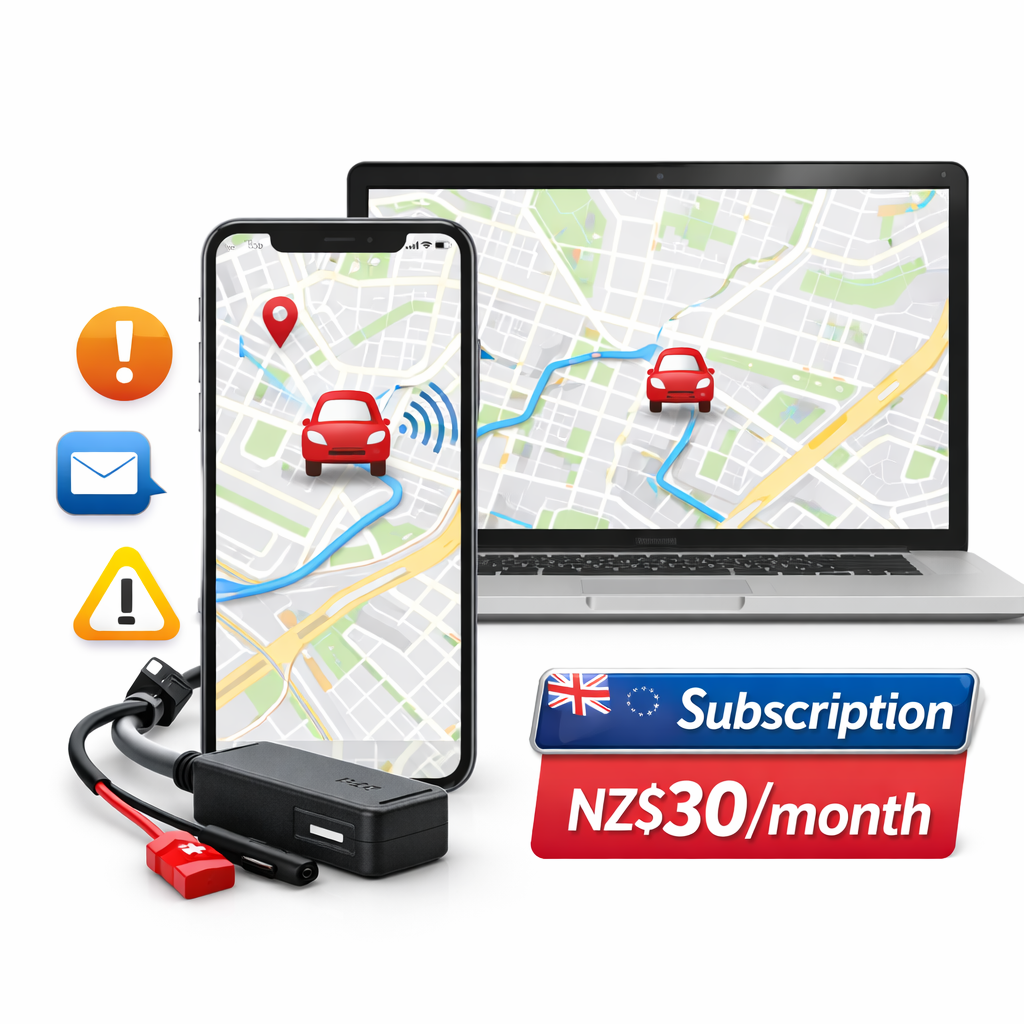
Real-time tracking means your vehicle location updates regularly and is visible on a live map on any phone or computer. It’s not just a dot on a map — it’s the combination of live location + trip history + alerts + reports that makes it valuable.
- Live map: see where vehicles are right now.
- Trip history: route, stops, and time stamps (great for disputes and proof of service).
- Alerts: movement, ignition, speeding, geofence entry/exit, low battery/tamper (device dependent).
- Reports: mileage, hours, idle time, stop durations, and exportable logs for admin and compliance.
Why NZ businesses adopt it (the 5 practical wins)
1) Faster response times
If you’re dispatching technicians, deliveries, or call-outs, real-time visibility cuts “where are you now?” calls. You can send the closest vehicle and give customers more accurate ETAs.
2) Less fuel waste and detours
Even one vehicle can waste money through unnecessary detours, extra trips, or heavy idling. With trip history and simple reports, patterns show up quickly — and small changes add up across the month.
3) Proof of service (and fewer disputes)
“We were there at 2:14pm” is much easier to defend when you’ve got a timestamped trip log. This helps with customer disputes, missed deliveries, and verifying attendance at a job site.
4) Vehicle protection and recovery
For high-value vehicles, a tracker provides peace of mind and a much better chance of recovery if something goes wrong. The key is having a device that stays connected and a platform you can access instantly from your phone.
5) Better admin and cleaner reporting
Instead of manual logs, you can export mileage and trip activity for invoicing, timesheets, or internal reviews. It’s not about micromanagement — it’s about clarity.
What to look for if you need an insurance-approved tracker
“Insurance approved” can mean different things depending on the insurer and the wording of the policy. Some insurers require a particular device type, installer certification, or specific features (for example, tamper alerts or constant power).
The easiest way to handle this: send us the insurer name and the exact wording from the policy. We’ll confirm suitability and the best installation option (self-install battery connection or engineer install) before you buy.
Self-install vs engineer install
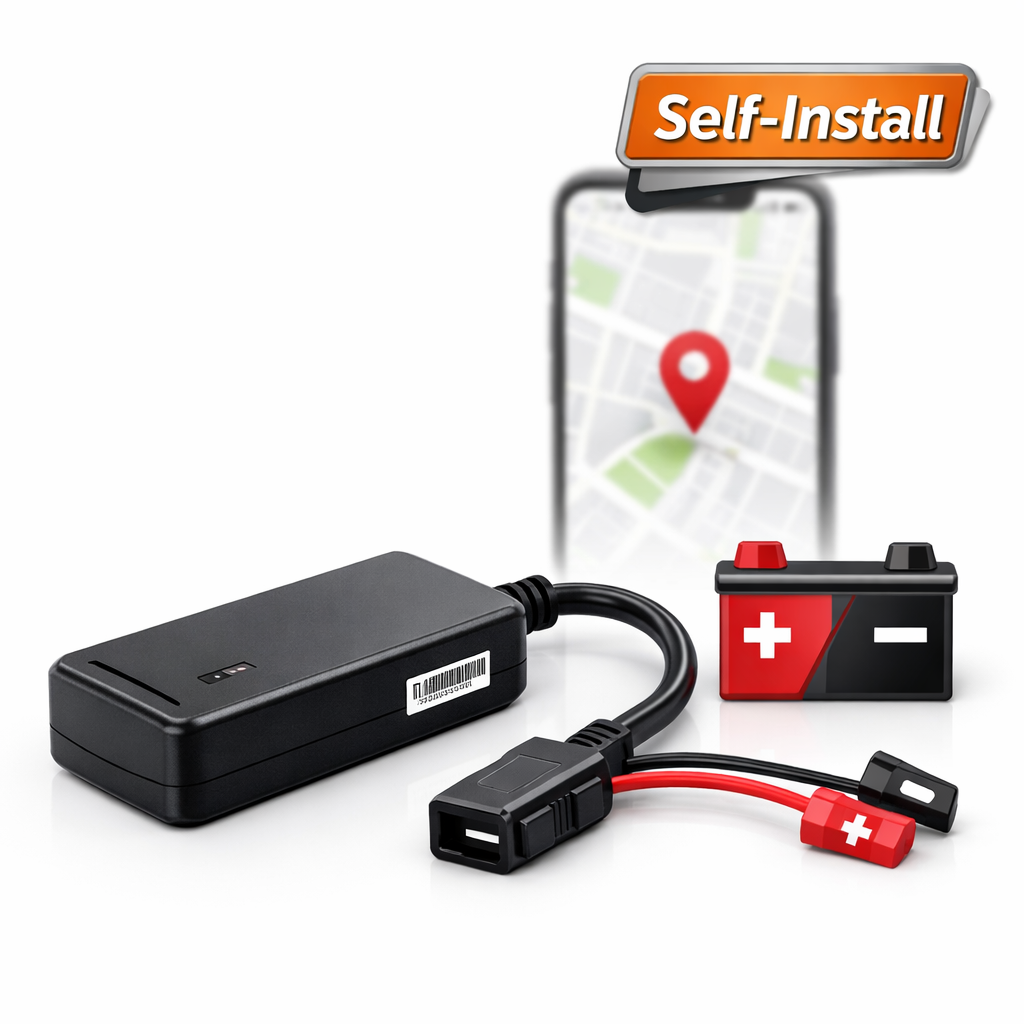
For many customers, self-install is ideal: the unit connects discreetly to the vehicle battery and is up and running fast. If you need professional fitting, you can also have an auto-electrician or installer fit it for you.
- Self-install: quickest and lowest cost (battery connection).
- Engineer install: recommended where an insurer requires professional fitting, or for specialist vehicles.
Wrapping up: the real value is visibility + action
Real-time tracking pays off when you use it to make small operational improvements: fewer wasted trips, less idling, clearer ETAs, and clean proof of service. And for high-value vehicles, it’s also about peace of mind and faster recovery if anything happens.
Want pricing in NZD and a quick setup recommendation?
View pricing here: /pricing-quotes/ or request a quote and we’ll recommend the simplest setup for your vehicle (including insurer wording checks).
Leave a Reply
You must be logged in to post a comment.